small business Archives - Page 6 of 9 - First Class Accounts Ovens and Murray and Busy01 Consulting

Tag Archives for " small business "

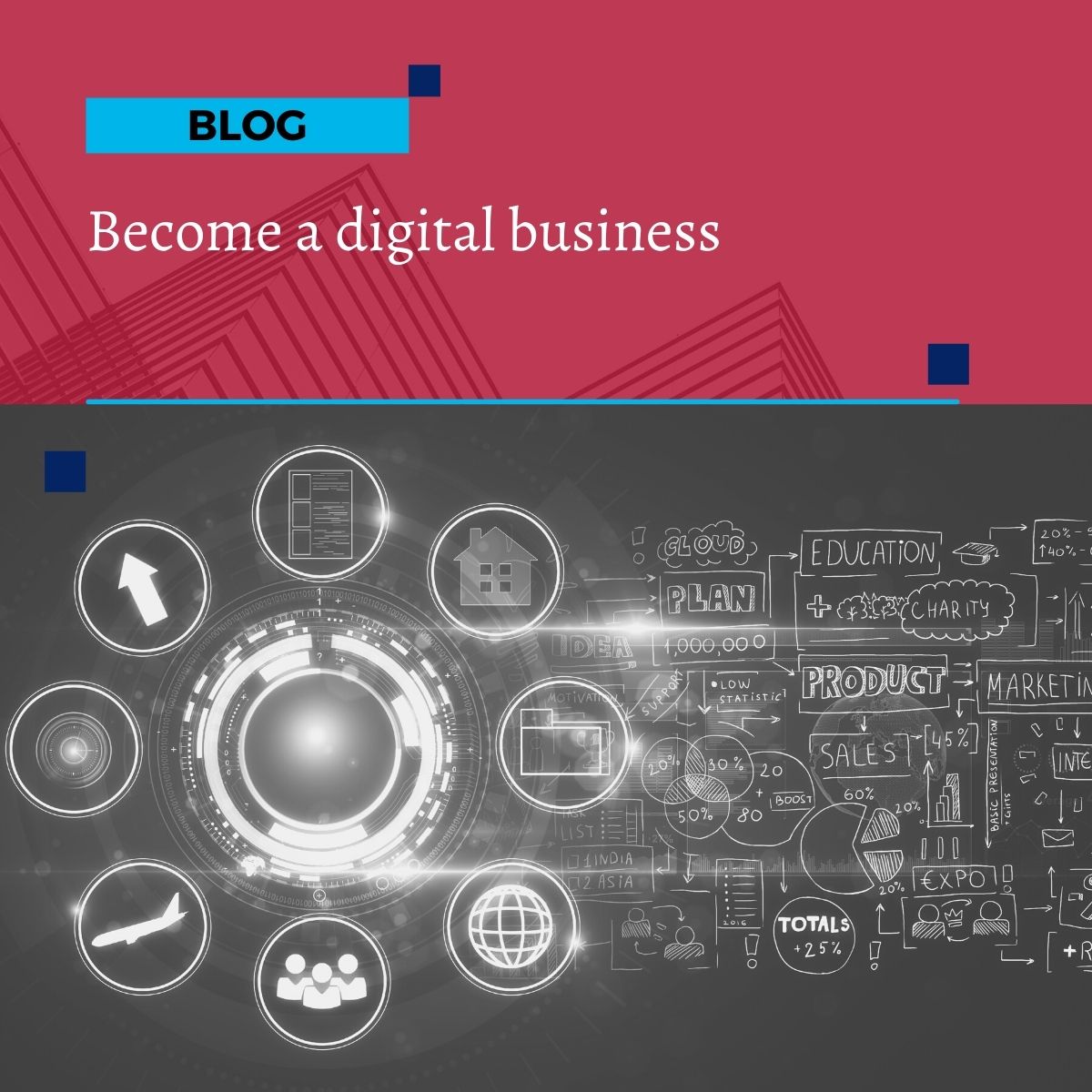
Become a digital business

Become a digital business

Become a digital business

In the online, connected world that we now live in, it’s important for your business to become a digital business.

Digital technology has revolutionised the options you have available as a small business. There are a wealth of cloud-based solutions and apps to help automate your admin, enhance your productivity, open up your business data and market the company online.

Making the technology work for you

Becoming a digital business isn’t about using technology for tech’s sake. It’s about seeing the huge value and potential of applying digital processes and software tools within the company.

By moving your systems, processes and customer interactions over to digital, your small business can quickly become more streamlined, more efficient and more profitable. And with the ineffective elements of the business removed, you’re ready to grow, scale and expand.

Key benefits of digital transformation include:

Cloud accounting at the heart of the businesss

Cloud accounting moves your bookkeeping and financial management online. This gives you access to your accounts, reporting and key performance indicators (KPIs) through your web browser, on any internet-ready device. You can literally run your finances, invoicing, credit control and bank reconciliation from anywhere with Wi-Fi. And that helps you keep in control of the numbers..

Automation of low-level tasks

The manual tasks involved in company admin begin to eat into your business time. Many digital business tools have elements of automation built in, to help you automate the key time-consuming tasks and become more efficient. Automated bookkeeping, automatic bank reconciliation and automated payment collection all put hours back in to the business and help you do more.

Fintech and payments

Keeping on top of your finances isn’t just about accounting. Financial technology (fintech) tools help you ensure that money is flowing into the business, cashflow is being managed sensibly. And online payments are being made, and collected, automatically – helping to maximise your financial health.

Job management and productivity

Planning and running your operations and project work can be tough. But with software project management and workflow apps connected up to your central system, you’re always on top of the workload and resourcing. Talk to us about which app would work in your business. 

Digital marketing and social media

Most consumers and business customers will begin a search for products/services online. So having a good website, a bold online presence and the right social media channels in place is vital for your sales and marketing strategy. By positioning your brand in the digital space, you make yourself relevant, easy to find and connected to your ideal customer base.

If you’re planning a digital transformation process for your small business, come and talk to us. We’ll help you review your systems and processes, identify your key business needs and recommend the software tools and apps that will build your ideal digital system.

Get in touch to start embracing the digital future.

scam-alert-payment-re-direction

Scam Alert – Payment re-direction

Scam Alert - Payment re-direction

As a business owner, high on your priority list is to protect your assets, employees, reputation and most importantly your customers.

Unfortunately, in this highly technological advanced world, businesses are more and more vulnerable to the scams which can be presented in many forms and guises. It is the adverse effects from scams which can have a devastating effect on your most valuable assets.

The damage done can be significant to your business, including financial and reputational. The scammers are capable of being manipulative in sophisticated forms without you even realising.

You will have heard of many types of cons over the years, whether it be overpayment scams, or fake directories & advertising scams to phishing, malware and ransomware scams. The business world is full of them and there are more being formed daily.

Let’s explore further into one of these scams and look at ways of protecting your business:

Payment Redirection

How this scam works

  • Scammers hack into your supplier email accounts and obtain information such as customer lists, bank details and previous invoices.
  • You receive an email, supposedly from a supplier, requesting an electronic transfer to a new or updated bank account.
  • The scammers either disguise their email address or create a new address that looks nearly identical. The emails may be bluffed by adding, removing, or subtly changing characters in the email address which makes it difficult to identify the scammer’s email from a genuine address.
  • The email may look to be from a genuine supplier and often include a copy of the suppliers business’s logo and message format. It may also contain links to websites that are convincing fakes of the real company’s homepage or links to the real homepage itself.
  • The scam email requests a change to usual billing arrangements and asks you to transfer money to a different account, usually by electronic transfer.
  • The scam is usually not detected until the business is alerted by complaints from genuine suppliers that they have not received payment.

Protect Protect Protect

  • Implement effective management procedures in your business to prevent future scams. SCAM PROOF your BUSINESS.
  • Have a clearly defined process for verifying and paying accounts and invoices.
  • Consider a multi-person approval process for transactions over a certain dollar threshold.
  • Ensure your staff are aware of this scam and understand how it works so they can identify it, avoid it and report it. Share this article with them!
  • Double check email addresses - scammers can create a new account which is very close to the real one; if you look closely you can usually spot the fake.
  • DO NOT seek verification via email – you may be simply responding to the scammer’s email or scammers may have the capacity to intercept the email.
  • If you think a request is suspicious, pick up the phone and call your supplier.
  • DO NOT call any telephone number listed in the email; instead, use contact details that you already have on file for the business, or from an independent source.
  • DO NOT pay, give out or clarify any information about your business until you have investigated further.
  • Confirm that all your IT systems are up to date with security requirements. Perform regular security maintenance on your computer systems to ensure anti-virus, anti-spyware and your firewall are up to date.
 

This is one headache that your business can do without!

If you need help setting up these processes, feel free to contact us

Credit Control

Keeping debt low through proactive credit control

Keeping debt low

Credit control: Having a large amount of debt in your business is bad for cashflow, weakens your overall financial health and brings down your credit score as a business.

So when customers don’t pay on time, that ‘aged debt’ is bad news for your finances. Aged debt can begin to stack up, adding to your liabilities and reducing the health of your overall balance sheet. So, it’s important to tackle late payment head on.

Get effective with your credit control

Being proactive with your debt management helps you speed up payment, reduce your debtor days and rein in your overall debt as a business

To improve the efficiency of your credit control:

  • Make your payment terms clear – state your payment terms on all invoices and create a policy that’s part of the terms & conditions that customers sign up to.
  • Run regular debtor reports – check your list of late invoices to see which customers are the late payers, and where the big debts are that need to be collected.
  • Be proactive in chasing late payment – don’t be shy about asking a customer to pay their bill. Set up notifications and schedules to remind yourself to chase late-payers.
  • Automate your credit control tasks – cloud accounting platforms have built-in tools or automated credit control integrations that can automatically chase your late-paying customers as soon as an invoice is overdue.

Talk to us about enhancing your credit control

If late payment and aged debt is weighing heavily on your balance sheet, we’ll help you set up the debtor reports and credit control processes needed to reduce this debt.

Get in touch to improve your credit control.

Cash Flow Management

Why you need to forecast your cash flow

Cash flow is the lifeblood of your business. And when it comes to cash flow management, preventing cash issues is far easier than trying to solve these issues after the event.

Positive cash flow comes from balancing your income (the cash inflows) against your expenditure (the cash outflows). If you’re in control of this then the business will always have the liquid cash needed to cover your liabilities.

Forecasting your cash inflows and outflows

Forecasting works by taking your cash data from prior periods and projecting it forward in time, giving you a ‘crystal ball’ that reveals the future health of your cash flow.

By running detailed cash flow forecasts, it’s possible to:

  • Understand your future operational cash flow – helping you to see the seasonal dips, or the projected drops in income, and get the early warning you need to take action.
  • Plan your costs and expenditure effectively – by working to strict budgets, looking at cost management and reining in expenses – so your future outflows are reduced.
  • Avoid the cash flow issues before they happen – giving you the information you need to plan ahead, take clear action and stay in tight control of your cash status.

Utilising technology to forecast

There are a number of tools you can use to forecast your cashflow, including Add-on Apps. One we often recommend is Futrli. With the ability to connect to Xero and Quickbooks, Futrli can provide integrated forecasting and reporting for small businesses.

Talk to us about setting up cash flow forecasts

If you want to get a grip on cash flow, we’ll help your tailor your accounting set-up and will provide the cash flow forecasting tools you need to reveal your future cash position.

Get in touch and let’s start forecasting.

xeros short-term cashflow feature

Xero’s short-term cashflow feature for businesses

Xero's short-term cashflow feature for businesses


Business cashflow is simply money coming in and money going out of the business. Your outgoings will include things like rent, payroll, taxes and supplies. Your income will be revenue from sales but might also include investment funds or the sale of assets.

For most businesses, income and expenditure don’t always happen at the same time so focussing on strong cashflow management will help you prepare for the shortfalls and also manage surplus income.

Cashflow reports allow you to look back at cashflow in your business. This can uncover cashflow patterns over time and show you how much money you need to run your business each month.

Cashflow forecasts look forward by combining payment dates and due dates for invoices, to give you an idea of what your cashflow will be like going forward.

Managing healthy cashflow

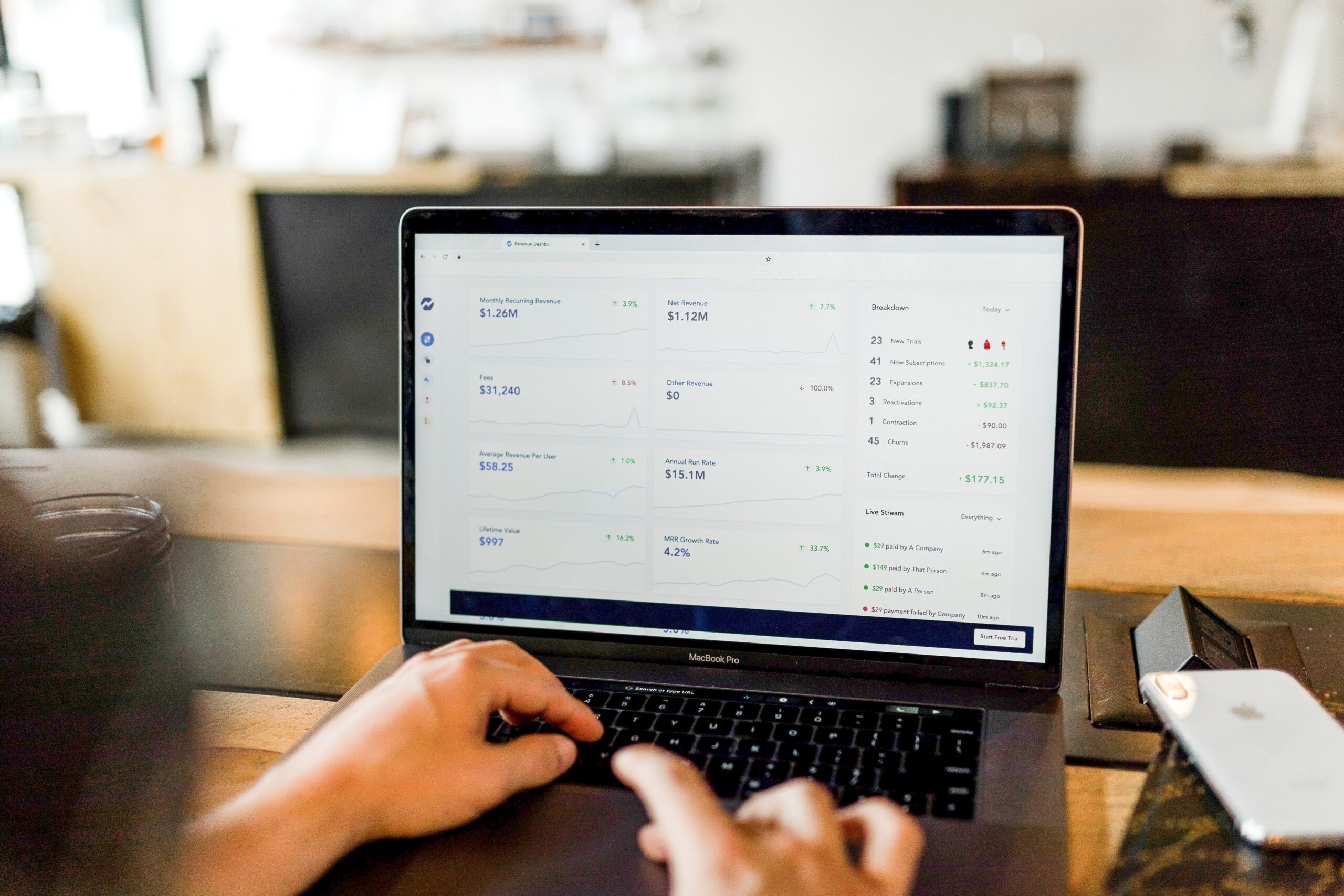
Xero’s short-term cash flow feature gives you an up-to-date dashboard view of your organisation's cashflow. You can choose multiple bank accounts and see the projected cashflow over 7-30 days. The more information you include, the more accurate your forecast will be.

Healthy cashflow management gives you better control, so you are more prepared for growth or for the unexpected. Read the article at Xero Central to learn more about this feature.

Lessons learned in lockdown

Lessons learned in lockdown – for your business and life

Lessons learned in lockdown – for your business and life

Lockdown has been (and remains) a tough time for business.

Having to shut your business at short notice, or switch to an entirely digital, remote-working model, was a stressful experience. But there are things we have taken out of lockdown. Whether it enabled us to explore new ideas or dive into some fresh thinking regarding work, life or a business venture.

So, what lessons did we all learn from this enforced period of business shutdown, quarantine and remote working?

Carrying over the positives from lockdown

Suddenly, your office space lay empty, your employees were spread across various home locations and (crucially) your customer sales and revenue evaporated in the blink of an eye. The amazing thing about human resilience and ingenuity, however, is how quickly businesses DID evolve to cope with this situation.

Teams got used to home-working, video meetings and dealing with customers in the online space. And many of us began to see the positives of this low-impact, remote-working approach.

Are there things you can hang to now in the return to working life?

More time with family

With the daily commute no longer needed, and the ability to work remotely from our own homes, everyone had far more time to spend with their family, their partner or (via video calls) their wider circle of friends and family. Although enforced time together may have added a few strains, this extra time with our nearest and dearest is something we are grateful for – and should aim to continue.

More exercise and fitness time

finding the time to fit in a gym session or run was always tricky. The quieter pace meant that many could follow the latest workout video, go for a run, or get back on our bikes. We know exercise is good for both our physical AND our mental wellbeing - so it's important to keep this in your daily schedule going forward.

Future planning

working ON the business, rather than IN the business is an aspiration of any ambitious owner, but the time to do this is usually scarce. In lockdown, we’ve had far more time available to think through our core goals, what our next move should be and what our ‘post-coronvirus strategy’ should be.

Using data to understand your customers

Intuition is vital for business owners but if there’s data in your business that you haven't had the time to review, you may be missing opportunities. For some, lockdown provided some time for analysis such as, learning to use Google Analytics to understand how your customers find you, what your popular pages are, and which products are selling.

Getting in control of your financial model

 Huge drops in revenue have meant cashflow worries. We've been assisting clients to re-evaluate their financial model. Looking at costs, debts and potential revenue streams allows you see how you can reduce cash outflows and boost those all-important cash inflows. Reporting on these metrics will continue to support your business decisions.


None of us know exactly what the ‘new normal’ of business trading will look like. But if you want to be ready for a different kind of business reality, we can help. We’ll work with you to update your goals, strategy and financial model – so you’re ready for the future.


Talk to us. We are here to help.

Inventory Management Best Practices for Retailers

Inventory management best practices for retailers

Inventory management is incredibly important in retail and yet studies reveal that 43% of small businesses either don’t track inventory at all, or do it manually. Proper inventory management can be the difference between a lost sale and a lifelong customer.

Here are some quick tips on how you can stay on top of stock control:

Understand the relationship between sales and inventory

Look at inventory and sales data together so you can see the relationship between the two.

For example, if you pull your sales results and see that dresses are 20% of your sales, and jumpsuits have only generated 4%, the instant reaction is to buy more dresses.

However, if you simultaneously look at your inventory results, you may see that while dresses generated 20% of sales, they represented 40% of your inventory, while jumpsuits generated 4% of sales but on 1% of your inventory.

By considering the relationship of sales to inventory, you might discover you are over-inventoried in one item, and missing opportunities to sell another.

Manage residual inventory to control costs and preserve profit

Residual inventory is what remains at the end of one selling season and is carried into the next season. A few examples include wool apparel that is on sale in the spring season or outdoor furniture sets that are marked down after the summer season.

An effective way to manage this is to create season codes with style numbers when you enter items into your inventory management system. This can make analysing sales and inventory by season a significantly easier task.

Equip your business with the right inventory management tools

From choosing the right inventory management software to finding a POS solution that fits your business, it’s essential to implement tools.

The right ones will integrate together to streamline and automate processes, making inventory management more accurate and efficient.

In a competitive market, knowledge is key to business success.

social distancing

Social distancing: Running effective online meetings

Social distancing: Running effective online meetings

In unprecedented times, businesses must adapt to remain productive. If face-to-face meetings are a key part of your daily business operation, here are some tips to take your meetings online with minimal disruption.

Find the best system for you

There's a range of free or low-cost platforms, including GoToMeeting, ezTalks, Join.me, Zoom, Google Hangouts, and TeamViewer.

Before you choose one, consider:

  • How many people generally attend your meetings?
  • Do you require screen share functionality?
  • How many meetings do you run? (If it’s a lot, a small monthly subscription may pay off due to better functionality)

Schedule your meeting

Depending on your chosen system, consider how you schedule your online meetings. It may be that you include a link generated by your system into an email calendar invitation. However you do it, make it easy for your meeting attendees to be reminded of the meeting and access the meeting at the time.

Check your tech

Do you need a webcam (usually built into laptops) or an audio headset? These are a must for any online meeting. Communicate the need for this technology to your meeting attendees, and if required consider completing a quick online tech-check before the first meeting.

Set a clear agenda

Like any face-to-face meeting, you’ll need a well-structured agenda to follow. You’ll also need to specify the time a length of the meeting, and respect this. Decide who will take minutes, define the next steps, and if appropriate - BAMFAM (Book a meeting, from a meeting).

Does it need a meeting?

These unfortunate times act as a friendly reminder that some meetings can be emails. Consider using free tools such as Loom to document a longer and more engaging message in a video to send via email. The recipient can view the video multiple times before responding, resulting in a more considered reply.

Online meetings have been a great tool for global businesses for some time; maybe it’s time for your business to adopt online meetings as part of social distancing. They also create capacity for you to do other, more productive, things through reduced time spent travelling to face-to-face meetings.

covid-19 advice for employers

Covid-19 Advice for Employers

Covid-19 Advice for Employers

Employers are facing unprecedented changes to the way of working, and many employers are having to do this with little or no preparation for such adversity.

The Fair Work Ombudsman has updated their information on Coronavirus and Australian workplace laws to provide advice to employers on managing the situation. The advice is general in nature and reminds employers that the usual provisions of the Fair Work Act apply.

It is important to note that the Fair Work Act does not have specific provisions or rules for a situation like this, that has such an unforeseen effect on business and employers.

Employers and employees need to come to their own arrangements. Employers must communicate with employees what their policies will be in this situation, making sure that they are lawful within the Fair Work Act provisions.

The Fair Work Ombudsman provides guidance on many topics including:

  • Health and safety in the workplace.
  • Directing employees to stay away from the workplace.
  • Quarantine and self-isolation.
  • Working from home.
  • Casual employees and independent contractors.
  • Redundancy and reduction of hours.


Essential Information for Employers

There is a great deal of information being published, and we encourage you to stay updated with the official websites.


What you need to do

We suggest you write a policy and plan for the business management of Covid-19 and provide this to employees as soon as possible. This should include guidance on working from home, productivity measures and expectations, personal hygiene, workplace safety, flexible working, user access to relevant tools and technology, leave policies, online security and safety, team communications, as well as any procedures or policies relevant to your business and industry in this situation.

Remember, stay safe and maintain connection and communication with your employees throughout this challenging time.

Need help navigating the support packages available?

Talk to us. We are here to help.